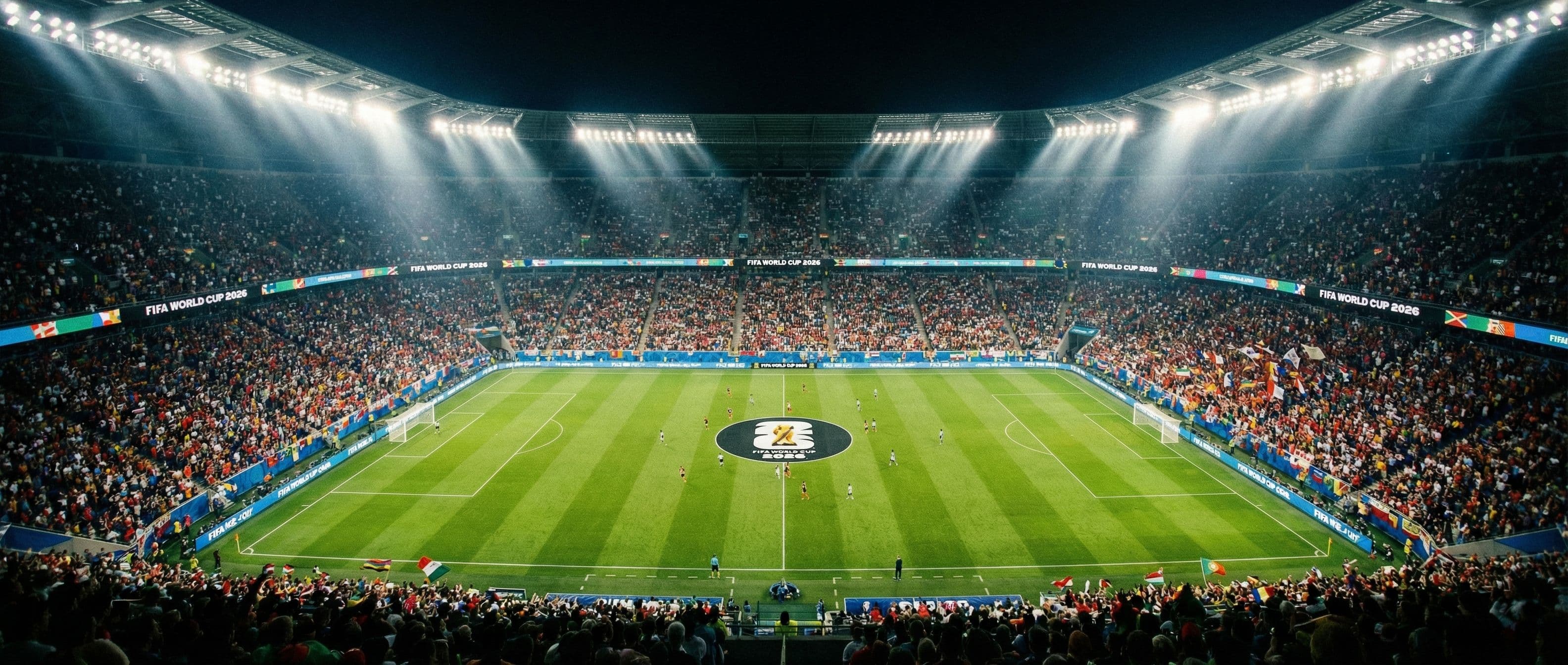
Everything Has Changed
The 2026 World Cup is not just bigger. It's structurally different. FIFA's expansion from 32 to 48 teams is the most significant change to the tournament format since the introduction of the group stage in 1950, and it will reshape how we experience the opening rounds of the competition.
Here's the short version: 48 teams, 12 groups of four. The top two from each group plus the eight best third-placed teams advance to a Round of 32. That's 32 out of 48 teams making the knockout rounds, which means two-thirds of the field advances. The math changes everything about group stage strategy.
How the New Format Works
Each group contains four teams. Every team plays three matches (same as before). The top two qualify automatically. Then, across all 12 groups, the eight best third-placed teams also go through.
What does this mean in practice? A team can lose one game, draw another, and still advance with a single win and a draw. In some cases, even three points and a decent goal difference could be enough to sneak through as a third-placed qualifier.
The flip side is that the knockout bracket is more crowded. You need to win five matches to lift the trophy (Round of 32, Round of 16, Quarterfinal, Semifinal, Final). That's one more knockout game than the old format, which puts a premium on squad depth and fitness management. For a full breakdown of the official format and rules, check FIFA's tournament page.
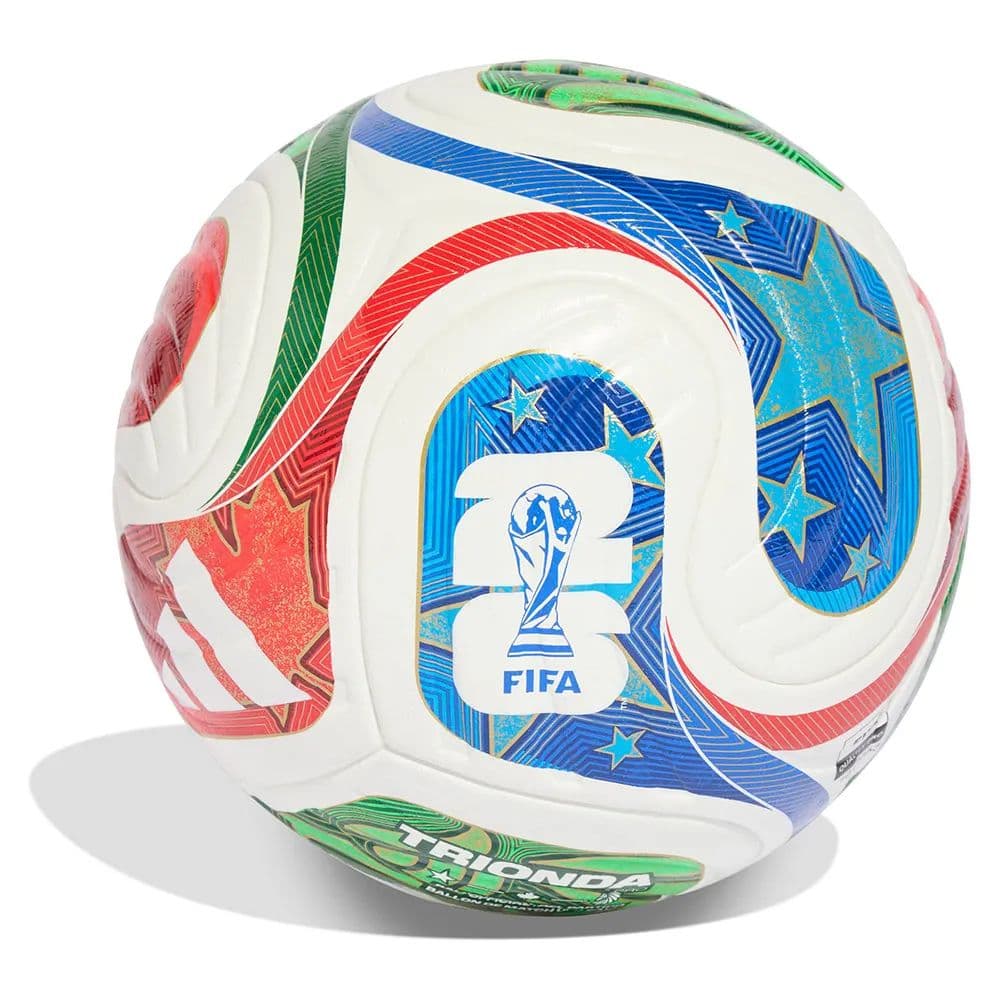
FIFA World Cup 2026 Official Match Ball
The official Adidas Trionda match ball for the 2026 World Cup. Thermal bonded seamless surface with textured design.
Groups to Watch
The Group of Death (There's Always One)
Every World Cup produces at least one group where three or four legitimate contenders are thrown together. With 48 teams and 12 groups, the odds of multiple brutal groups increase. Watch for a scenario where two top-eight ranked teams land in the same group alongside a dangerous dark horse from Africa or Asia. Those groups will produce heartbreak.
The Host Group
The United States will be in Group A, almost certainly seeded first. The co-hosts (Mexico and Canada) will be separated into different groups as well. All three are expected to advance comfortably. The real intrigue is which unseeded teams land alongside them. A tricky draw could turn a "comfortable" group into a nervy one. Read our USA host nation guide for a closer look at America's squad and expectations.
The South American Cluster
Brazil, Argentina, Uruguay, Colombia, Ecuador: South America's contingent is strong and deep. Several of these teams could end up in groups where they're expected to dominate, but the extra teams in the tournament mean more wildcards. African and Asian qualifiers have been improving rapidly, and the gap between confederations has narrowed. For more on the two biggest South American threats, check out our Brazil complete guide and Argentina defending champions preview.
Strategic Implications of the New Format
Rotation Becomes Essential
With the possibility of playing up to seven games (three group, four knockout) over roughly five weeks, managers who use their full 26-man squads wisely will have an advantage. Expect more rotation in group stage matches than we've seen in previous tournaments, especially from the favorites who are planning for deep runs.
The Third Game Dilemma
In the old format, the final group game was often decisive. In the new format, many teams will have already secured qualification by matchday three. That creates an awkward situation: do you rest players for the knockout rounds, or push for a group win to get a theoretically easier Round of 32 draw? Teams that get this calculation wrong will pay for it.
Defensive Football Will Be Rewarded (Initially)
For smaller nations, the path to the knockout rounds is clear: don't concede. A 0-0 draw is a perfectly good result when two-thirds of teams qualify. Expect low-scoring games in groups where underdogs are fighting to survive. The football purists won't love it, but the drama of a minnow grinding their way into the Round of 32 will make for compelling viewing.
Predictions
Teams Most Likely to Exit in the Group Stage
The biggest names are largely safe, but one traditional powerhouse will stumble. It happens every tournament. In 2014 it was Spain and England. In 2022 it was Germany and Belgium. In 2026, look for a top-ten ranked team to trip over a combination of complacency and a well-organized underdog.
Dark Horses to Watch in the Groups
- Canada: Playing at home in their group matches, with a squad that's improved dramatically
- Japan: Consistently excellent in recent World Cups, capable of beating anyone on their day
- Morocco: Semifinalists in 2022, they've continued to build and won't be intimidated
- Nigeria: The Super Eagles always bring energy and talent, and the expanded format gives them room to breathe
Group Stage Storylines to Follow
- Will any host nation drop points? The US, Mexico, and Canada all want perfect group stages. At least one of them will slip up
- First-time qualifiers: Several nations will be making their World Cup debuts. Their first group stage goal will be a moment of pure joy
- VAR and the new offside technology: The semi-automated offside system will be faster and more precise. Expect it to dominate headlines when a marginal call eliminates a team
Frequently Asked Questions
How many teams qualify from each group in 2026?
The top two teams from each of the 12 groups qualify automatically for the Round of 32. On top of that, the eight best third-placed teams across all groups also advance. This means 32 out of 48 teams move on, making it the most forgiving group stage in World Cup history. You can find the full qualification criteria on FIFA.com.
How is the 2026 format different from 2022?
The 2022 World Cup had 32 teams in eight groups of four, with the top two advancing directly to the Round of 16. The 2026 edition expands to 48 teams in 12 groups of four, adds a Round of 32, and allows third-placed teams to qualify. Winning the whole tournament now requires five knockout wins instead of four.
Which groups should I watch most closely?
Keep an eye on any group containing two teams ranked in FIFA's top 10, as the draw almost guarantees at least one of those pairings. The host nations' groups will also draw attention since home crowd pressure creates unpredictable results. South American and European heavyweights landing together is always a recipe for drama.
Can a team with one win still advance?
Yes, and that is one of the biggest shifts in 2026. A team with one win, one draw, and one loss (four points) would almost certainly advance as a third-placed qualifier. Even three points with a favorable goal difference could be enough, depending on results across the other groups.
The Bottom Line
The 48-team format is a gamble by FIFA. If the group stage produces tight, competitive matches with genuine stakes, it'll be hailed as a success. If it produces a parade of dead rubbers and meaningless final matchdays, the criticism will be fierce. The truth will probably land somewhere in between: more football, more stories, more nations on the biggest stage, but with some inevitable dilution of quality in certain matches.
Either way, we'll be watching every minute of it.
World Cup 2026 kicks off June 11, 2026. Follow FanFace Blog for complete coverage of every team, every match, and every kit.
FanFace Editorial
As an Amazon Associate, we earn from qualifying purchases.