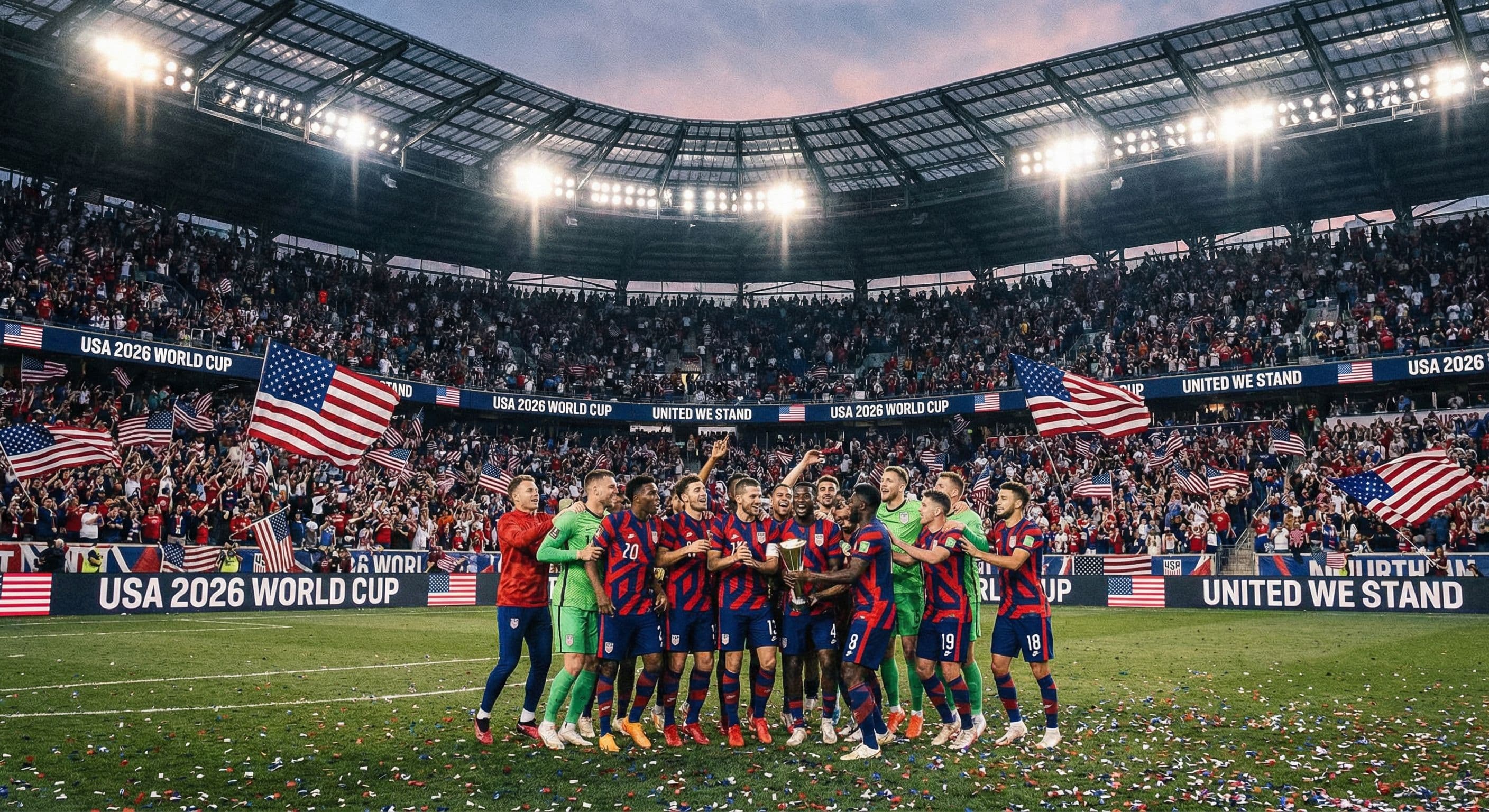
A Country Ready to Believe
The United States has waited decades for this moment. Not just to host the World Cup again (the last time was 1994, when the tournament shattered attendance records), but to enter one with a squad that can compete beyond the group stage. The 2026 edition brings 48 teams to stadiums across the US, Mexico, and Canada, and the Americans carry the weight of expectation that comes with playing in front of their own fans in sold-out NFL stadiums from coast to coast.
There's a real sense that this generation is different. The core of the squad has been battle-tested in Europe's top leagues for years now. They're not starry-eyed kids anymore. They know what it takes to perform on the biggest stage, and the home advantage could push them further than any USMNT squad has gone before.
See yourself in United States's jersey
Upload your photo and our AI puts you in the kit. Free.
Squad Analysis
Goalkeeper
Matt Turner and the goalkeeping pool have been a competitive bunch throughout the cycle. The number one shirt has been contested right up until the final roster announcement. Whoever gets the nod will face enormous pressure, but the depth at this position is better than it's been in a generation.
Defense
The backline has been the most scrutinized area of this team, and for good reason. Consistency has been the issue, not talent. When the center-back pairing is locked in and communicating well, the US can frustrate top-tier attacks. The fullback positions are where things get interesting: attack-minded players who can bomb forward and provide width, which is central to how this team wants to play.
Midfield
This is the engine room, and it's where the USMNT's European development pipeline has paid off the most. Players who have logged thousands of minutes in the Premier League, Serie A, and the Bundesliga bring a level of composure under pressure that previous American squads simply didn't have. The ability to control possession against quality opposition, rather than sitting deep and hoping to counter, is the single biggest tactical shift in US soccer over the past decade.
Attack
The front line has pace to burn and finishing ability that can trouble any defense. The wide players in particular have the kind of one-on-one ability that keeps opposing fullbacks honest, and the number nine role has genuine competition. The concern? Depth. If a key attacker picks up an injury early in the tournament, the drop-off could be significant.
The Home Advantage Factor
Don't underestimate what playing at home means. In 1994, the US reached the Round of 16 in large part because of the atmosphere their fans created. In 2026, the effect will be amplified. Games in MetLife Stadium, SoFi, AT&T Stadium, and the Rose Bowl will feel like cup finals. The noise, the energy, the partisan crowd roaring for every tackle and every chance: it changes games. Players feed off it, referees feel it, and opponents have to deal with it.
The travel factor matters too. The US squad knows these cities, these time zones, these climates. European and South American teams will be adjusting. It's a small edge, but small edges decide World Cup matches.
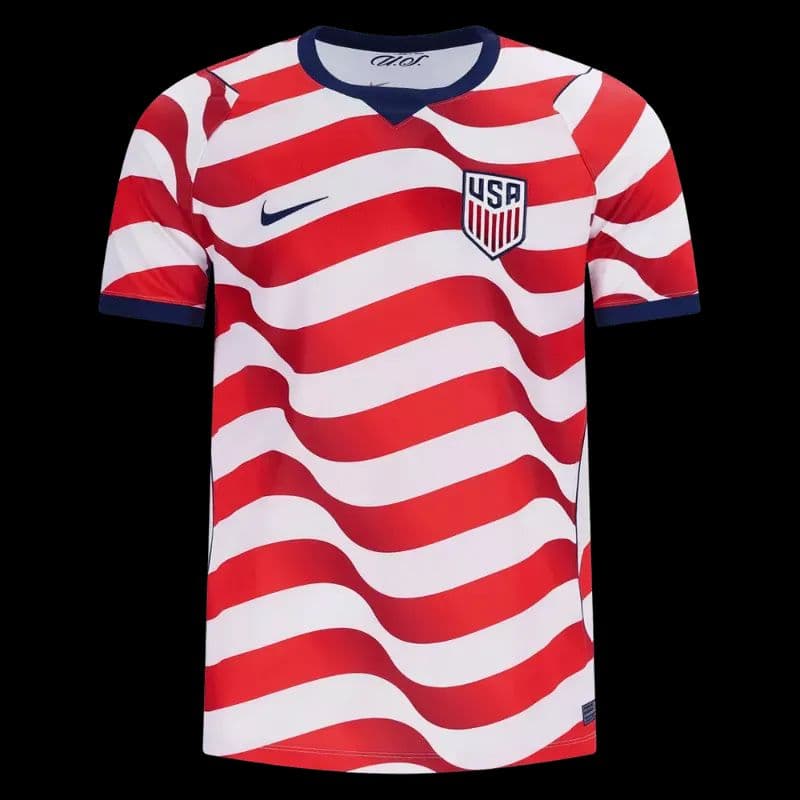
USA Home Jersey 2026
Host nation special edition. Nike's most ambitious US kit, with a bold design for a historic tournament at home.
Kit and Identity
The 2026 home kit leans into a clean, classic look. White base with navy and red accents, a collar that nods to the 1994 denim-inspired design without going full retro. It's sharp, it photographs well, and it looks like a kit worthy of a host nation. Nike struck the right balance between modern performance fabric and a design that feels distinctly American without being over the top. For the full breakdown, see our USA home kit 2026 review.
Tactical Setup
Expect a 4-3-3 that transitions into a 4-2-3-1 depending on the phase of play. The USMNT wants to press high, win the ball in dangerous areas, and attack quickly through the wide channels. In possession, the fullbacks push up to create overloads. Out of possession, the midfield trio is disciplined about covering space and funneling play into areas where the US can win the ball back.
Key Tactical Points
- High press with triggers: The team presses based on specific cues (bad touches, backwards passes) rather than pressing constantly, which conserves energy across a long tournament
- Wide channel dominance: The attacking plan runs through the flanks, with wingers and fullbacks combining to stretch defenses
- Set piece threat: One of the most well-drilled set piece units in the tournament, with multiple routines for corners and free kicks
Group Stage Outlook
As hosts, the US will likely get a favorable group draw (or at least avoid the absolute heavyweights in the first round). The expectation is to top the group, not just qualify. Anything less than three wins would feel like underperformance given the home advantage and the quality of the squad. For a full look at all the group stage storylines, read our group stage breakdown.
Frequently Asked Questions
How far can the USMNT realistically go in the 2026 World Cup?
The quarterfinals are a realistic baseline, and a semifinal run is possible if the bracket breaks favorably. Playing at home gives the US an edge that's hard to quantify but shows up consistently in World Cup history. Host nations have reached at least the quarterfinals in seven of the last ten tournaments. The squad has enough quality to beat anyone on a given day, especially with 60,000+ fans behind them. Check ussoccer.com for the latest squad updates.
What is the USMNT's biggest strength heading into the tournament?
Midfield quality developed through years in Europe's top leagues. The composure under pressure, ability to control possession, and tactical discipline that this group brings is a generational leap forward for US soccer. Combined with home advantage and a deep understanding of each other's playing styles from years in the national team setup, the midfield is where the US can match or outplay most opponents.
Who are the key players to watch for the USA?
The midfield core will determine how far this team goes. Players with Premier League and Bundesliga experience set the tempo and dictate play. In attack, the wide players' speed and directness make them constant threats. The goalkeeper battle adds intrigue, as whoever earns the starting spot will face defining moments under intense scrutiny. The fullbacks' attacking contributions are also worth watching, since the system depends on their overlapping runs.
How does the 48-team format affect the host nation?
The expanded format means more games at home, which amplifies the crowd advantage across a longer tournament. The US will play all group matches on home soil, with knockout rounds also likely in American venues. More games also means squad rotation becomes a factor, and the USMNT's depth will be tested. The format's structure (groups of four, top two advance) gives hosts a comfortable path through the first stage. See full format details at FIFA.com.
Our Prediction
The quarterfinals are the realistic target, and the semifinal is within reach if the bracket opens up. This is the best USMNT squad in history, playing at home, in a format that gives them more margin for error in the group stage. The ceiling is a semifinal. The floor, barring disaster, is the Round of 16.
Tournament prediction: Quarterfinals (semifinal ceiling)
What This Tournament Means
Win or lose, World Cup 2026 will reshape American soccer. The infrastructure investment, the cultural moment, the millions of kids who will watch these games and decide they want to play: the legacy extends far beyond results. But results matter too, and this team knows it. They have the quality, the experience, and the crowd behind them. Now they have to deliver.
World Cup 2026 kicks off June 11, 2026. Follow FanFace Blog for complete coverage of every team, every match, and every kit.
FanFace Editorial
As an Amazon Associate, we earn from qualifying purchases.
See yourself in United States's jersey
Upload your photo and our AI puts you in the kit. Free.
Try FanFaceRelated Articles
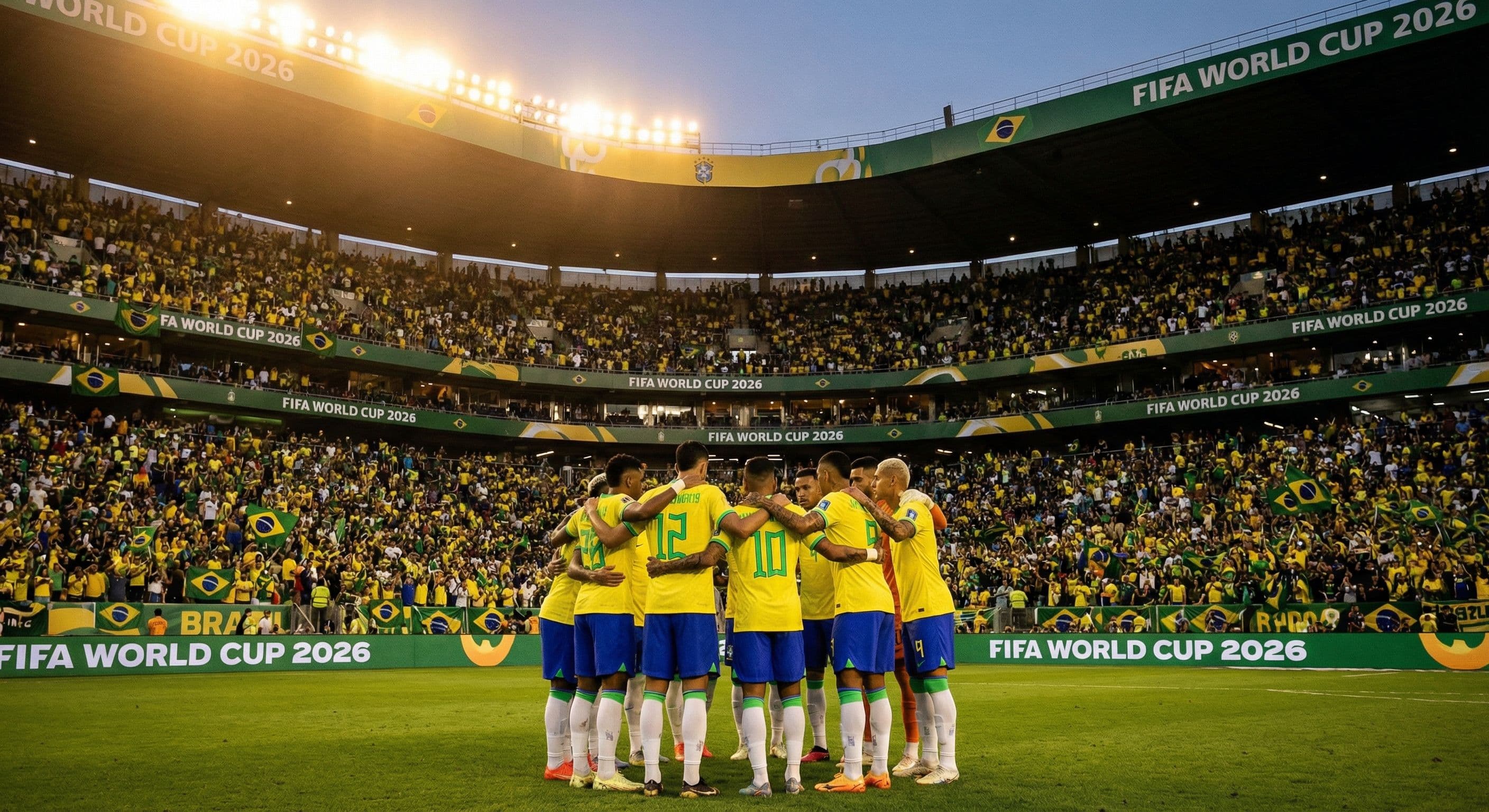
Brazil at World Cup 2026: The Complete Guide
Everything you need to know about the Seleção's quest for a sixth World Cup title on American soil. Squad analysis, key players, tactics, and predictions.
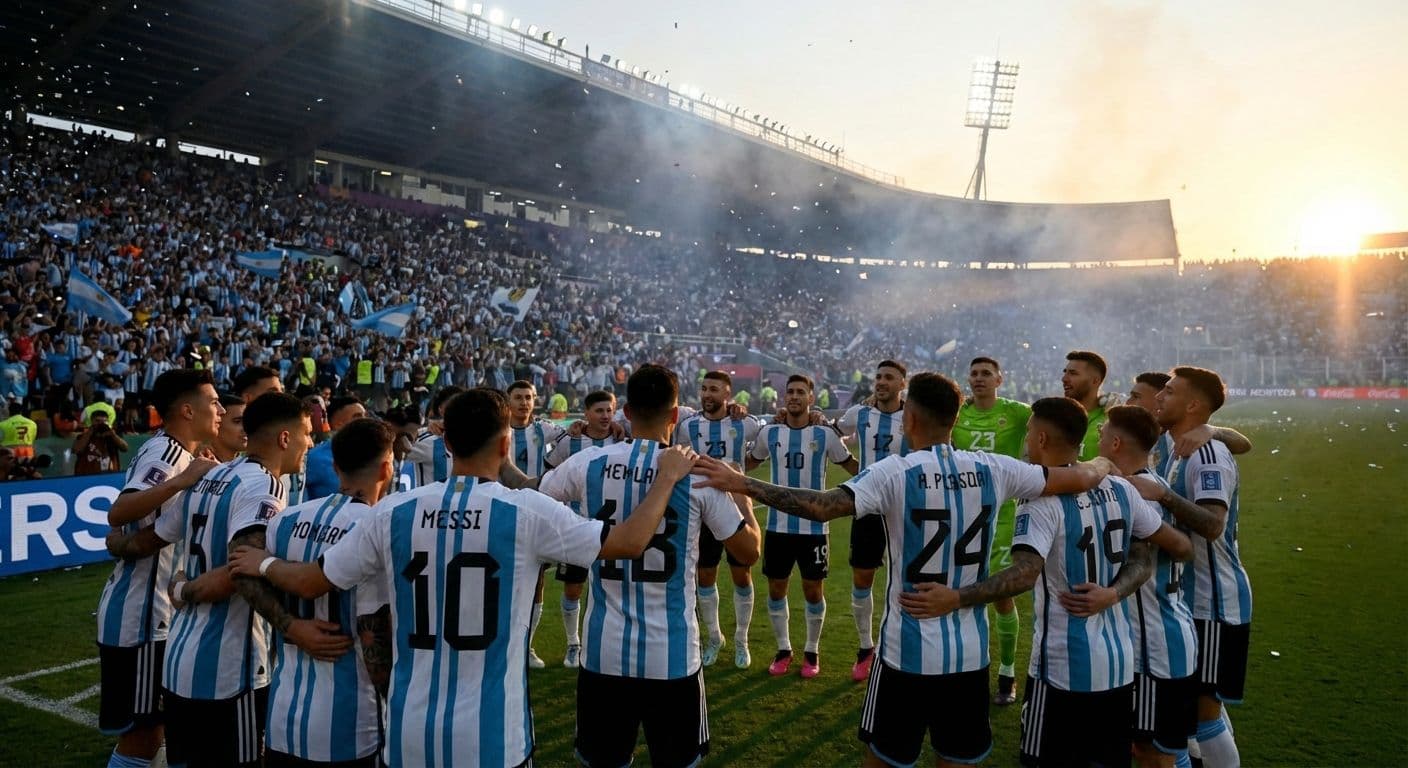
Argentina at World Cup 2026: Can They Defend the Crown?
The defending champions enter World Cup 2026 with a target on their backs. Squad depth, Messi's farewell, and what to expect from the Albiceleste.